Korean Bibimbap
Highlighted under: Inspired World Food Ideas
Experience the vibrant flavors of Korea with this delicious Bibimbap, a wholesome rice bowl topped with a variety of vegetables, meat, and a fried egg.
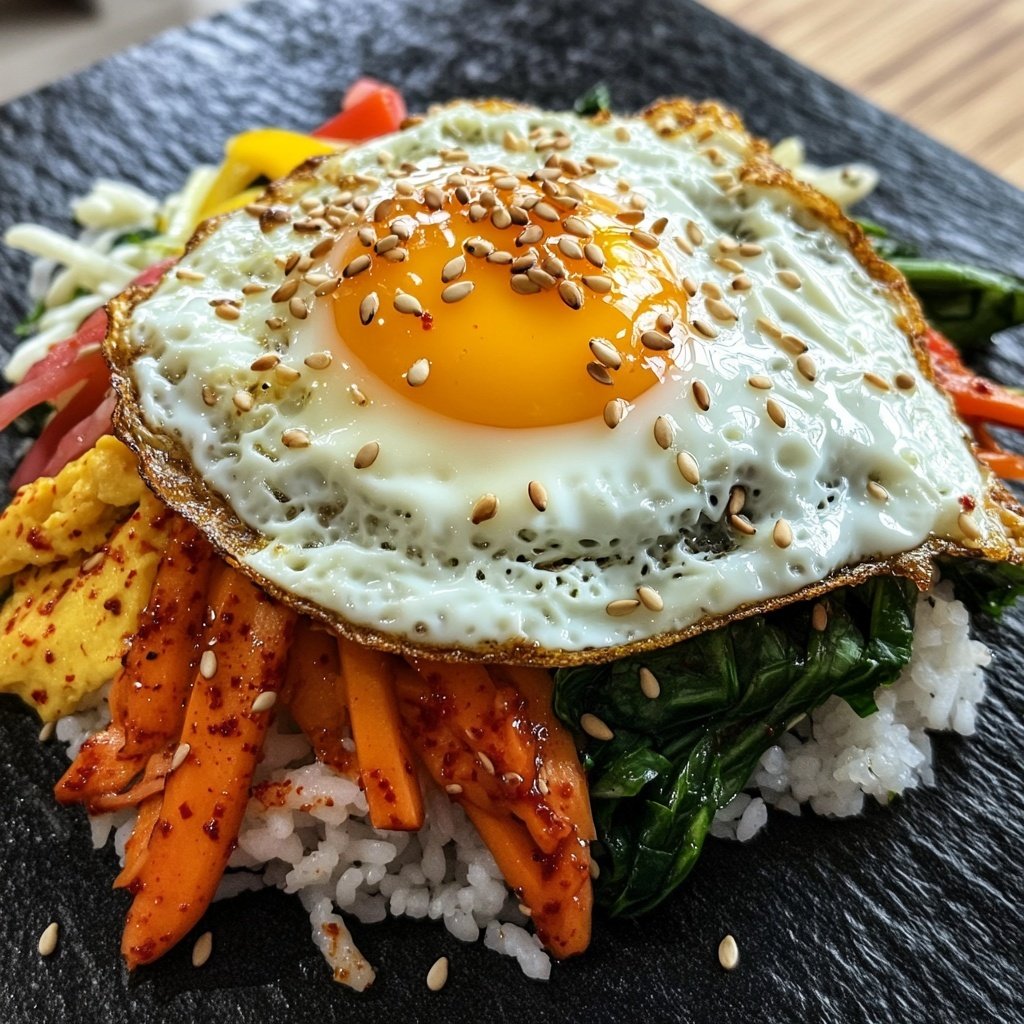
Korean Bibimbap is a traditional dish that brings together a delightful mix of textures and flavors. This colorful rice bowl is not only visually appealing but also packed with nutrients. Each bite offers a balance of fresh vegetables, savory meat, and a rich egg yolk, making it a hearty meal perfect for any occasion.
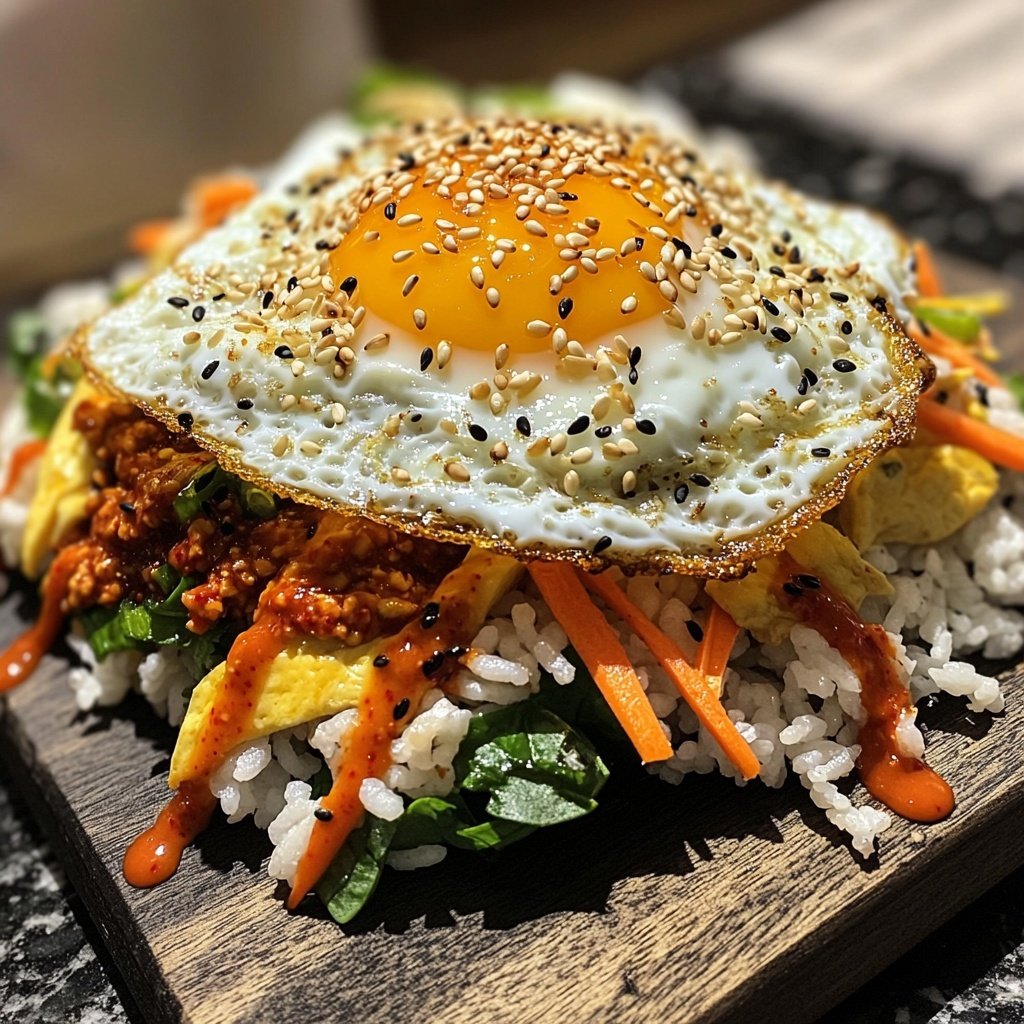
Why You'll Love This Recipe
- A colorful and nutritious meal in one bowl
- Versatile with endless topping possibilities
- Quick and easy to prepare, perfect for busy weeknights
What Makes Bibimbap Special
Bibimbap is a signature Korean dish that beautifully combines a variety of flavors and textures. Each ingredient adds its own unique taste, creating a harmonious blend in every bite. The dish showcases the importance of balance in Korean cuisine, where flavors such as spicy, savory, and umami come together seamlessly. The vibrant colors of the vegetables not only make it visually appealing but also signify the nutritional benefits packed within.
Traditionally served in a hot stone bowl, bibimbap is a dish that continues to evolve. While the classic version includes specific ingredients, modern interpretations welcome creativity, allowing for a personal touch. This adaptability is one of the reasons why bibimbap remains a favorite among food lovers. Whether you prefer meat, seafood, or plant-based options, bibimbap can cater to diverse dietary preferences.
Nutritional Benefits of Bibimbap
Bibimbap is not just a feast for the eyes; it’s also a powerhouse of nutrition. With a base of jasmine rice, it provides carbohydrates for energy. The assortment of vegetables, like spinach, carrots, and zucchini, contributes essential vitamins and minerals, making it a wholesome choice for any meal. Moreover, the inclusion of protein from beef or tofu helps to keep you feeling full and satisfied.
Additionally, bibimbap is often topped with a fried egg, which adds healthy fats and protein, enhancing the dish’s nutritional profile. The use of gochujang introduces capsaicin, known for its metabolism-boosting properties. Overall, bibimbap is a balanced meal that works well for anyone looking to maintain a healthy lifestyle.
Serving Suggestions
Bibimbap can be enjoyed on its own, but it also pairs wonderfully with various side dishes, known as banchan. Consider serving it alongside kimchi, pickled vegetables, or a refreshing cucumber salad to elevate your meal experience. These sides not only complement the flavors of bibimbap but also add to the overall dining experience, showcasing the variety of Korean cuisine.
For a casual dining setting, you can serve bibimbap family-style, allowing everyone to customize their bowls. This interactive approach not only makes for a fun meal but also encourages guests to explore different combinations of ingredients. Whether it’s a weeknight dinner or a gathering with friends, bibimbap is sure to impress and satisfy.
Ingredients
Gather all your ingredients before starting to prepare this dish.
Ingredients for Bibimbap
- 2 cups cooked jasmine rice
- 1 cup spinach, blanched
- 1 cup carrots, julienned
- 1 cup zucchini, julienned
- 1 cup bean sprouts, blanched
- 1 cup sliced beef (or tofu for vegetarian option)
- 2 eggs
- 2 tablespoons gochujang (Korean chili paste)
- 1 tablespoon sesame oil
- Salt to taste
- Sesame seeds for garnish
Once you have all your ingredients ready, you can start cooking!
Instructions
Follow these steps to create your delicious Bibimbap.
Prepare the Vegetables
In a pan, heat a little oil and sauté the carrots and zucchini separately until tender. Season with salt to taste. Set aside.
Cook the Beef
In the same pan, cook the sliced beef until browned and cooked through. Season with sesame oil and set aside.
Fry the Eggs
In a small pan, fry the eggs sunny-side up, keeping the yolk runny for the best flavor.
Assemble the Bibimbap
In a bowl, place a serving of rice, then top with the sautéed vegetables, beef, and the fried egg. Drizzle with gochujang and garnish with sesame seeds.
Once assembled, mix everything together and enjoy your homemade Bibimbap!
Pro Tips
- Feel free to customize your Bibimbap with other vegetables or proteins of your choice. For a vegetarian version, replace beef with tofu or mushrooms.
Storing Leftovers
If you find yourself with leftover bibimbap, storing it properly is key to maintaining its taste and texture. The best way to store bibimbap is to separate the components: rice, vegetables, and protein. Place them in airtight containers, and refrigerate for up to three days. This way, the flavors remain intact, and you can quickly reassemble your meal later.
To reheat, warm the rice and protein separately in the microwave or on the stovetop while sautéing the vegetables lightly. This helps to restore some of the freshness that may have dulled during storage. When ready to serve, top with a freshly fried egg and drizzle with gochujang for a delightful meal that tastes just as good as the first time.
Customizing Your Bibimbap
One of the best aspects of bibimbap is its versatility. Feel free to experiment with different vegetables based on your preferences or what’s in season. Bell peppers, mushrooms, and even sweet potatoes can make fantastic additions. If you’re feeling adventurous, try incorporating other proteins like grilled chicken, shrimp, or even a vegan option such as tempeh or chickpeas.
Don’t forget about the toppings! While gochujang is a classic choice, you can also experiment with other sauces or condiments. A drizzle of soy sauce, a sprinkle of crushed red pepper, or even a splash of lime can give your bibimbap a unique twist. The possibilities are endless, making it easy to create a dish that suits your taste.
Questions About Recipes
→ Can I make Bibimbap vegetarian?
Absolutely! Simply replace the meat with tofu or additional vegetables.
→ What if I can't find gochujang?
You can substitute it with a mix of chili paste and a bit of sugar for sweetness.
→ How do I store leftover Bibimbap?
Store components separately in airtight containers in the fridge for up to 3 days.
→ Can I use brown rice instead of jasmine rice?
Yes, brown rice is a great healthier alternative; just increase the cooking time.
Korean Bibimbap
Created by: Genevieve Porter
Recipe Type: Inspired World Food Ideas
Skill Level: Easy
Final Quantity: 2 servings
What You'll Need
Ingredients for Bibimbap
- 2 cups cooked jasmine rice
- 1 cup spinach, blanched
- 1 cup carrots, julienned
- 1 cup zucchini, julienned
- 1 cup bean sprouts, blanched
- 1 cup sliced beef (or tofu for vegetarian option)
- 2 eggs
- 2 tablespoons gochujang (Korean chili paste)
- 1 tablespoon sesame oil
- Salt to taste
- Sesame seeds for garnish
How-To Steps
In a pan, heat a little oil and sauté the carrots and zucchini separately until tender. Season with salt to taste. Set aside.
In the same pan, cook the sliced beef until browned and cooked through. Season with sesame oil and set aside.
In a small pan, fry the eggs sunny-side up, keeping the yolk runny for the best flavor.
In a bowl, place a serving of rice, then top with the sautéed vegetables, beef, and the fried egg. Drizzle with gochujang and garnish with sesame seeds.
Extra Tips
- Feel free to customize your Bibimbap with other vegetables or proteins of your choice. For a vegetarian version, replace beef with tofu or mushrooms.
Nutritional Breakdown (Per Serving)
- Calories: 500 kcal
- Total Fat: 18g
- Saturated Fat: 5g
- Cholesterol: 195mg
- Sodium: 700mg
- Total Carbohydrates: 70g
- Dietary Fiber: 5g
- Sugars: 5g
- Protein: 20g